

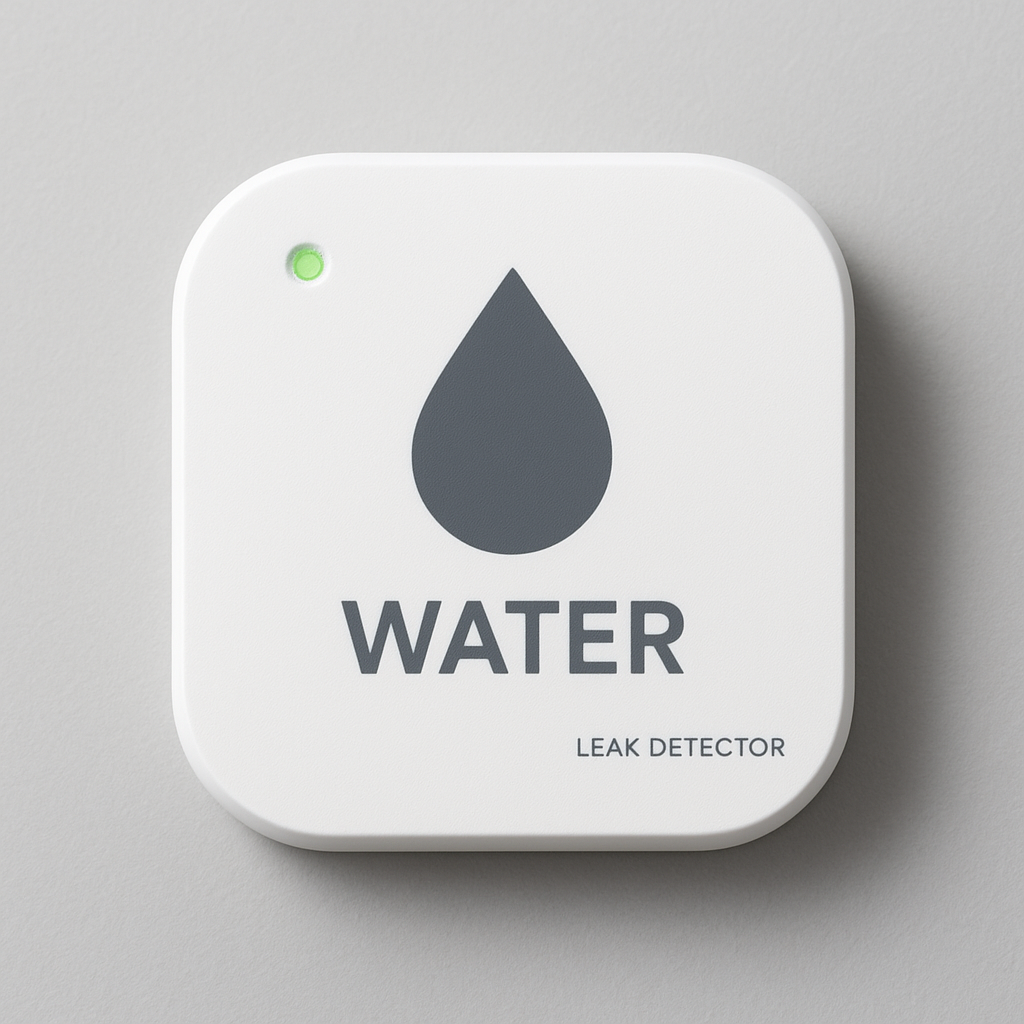
Use of home water leak-detection devices and systems has increased over the past few years, with one-third of US households employing at least one leak-detection unit. Why? Because water damage is one of the most common and costly problems homeowners face. From burst pipes to hidden drips behind walls, even a small leak can quickly escalate into structural damage, mold growth and extensive repairs.
The technology of these systems has evolved dramatically, offering homeowners simple, effective tools to identify water problems early and prevent expensive damage. There are even insurance benefits to installing these devices, including policy discounts and preventing rate hikes.
Here’s a roundup of the five types of leak-detection devices and systems currently available as well as the pluses and minuses of each solution.
Five types of home leak-detection devices
1. Point-of-use leak detectors: These compact, affordable, battery-powered sensors are placed near appliances and fixtures prone to leaks, such as under sinks, beneath water heaters, behind toilets or by washing machines. When water comes into contact with the sensor’s probes, the device emits a loud alarm and, for Wi-Fi versions, triggers a smartphone alert. These leak-detection devices are best for discovering small, localized leaks early. Catching leaks at the source prevents damage from spreading, significantly reducing repair costs. Pluses: These sensors are inexpensive and easy to install. | Minus: They only protect the exact spots where they are placed.
2. Smart leak and freeze detectors: Smart sensors go beyond simple moisture detection. Many also monitor humidity, temperature or freezing conditions — early warning signs that pipes may be at risk. These devices connect to home Wi-Fi, using an app to send real-time alerts to your smartphone, and may integrate with smart-home systems such as Alexa or Google Home. This type of system is best for homeowners who want remote monitoring. Detecting problems early — even when you’re not home — can prevent long-duration leaks that often lead to major insurance claims. Plus: Alerts you even when you are away. | Minuses: Requires Wi-Fi and often batteries or wired power.
3. Whole-home water-flow monitoring systems: Installed on your main water line, these systems track water flow throughout your entire home. By learning your typical water-usage patterns, they can detect irregularities such as continuous water movement, micro-leaks, or sudden spikes that indicate a burst pipe. Whole-home water-flow monitoring systems are best for detecting hidden leaks in walls, floors or underground. Hidden leaks often go unnoticed until after significant damage has occurred. Early detection substantially reduces the likelihood of a large claim. Plus: Detects hidden leaks. | Minuses: This type of system is more expensive and usually requires professional installation.
4. Automatic shut-off systems: As a subset of whole-home monitoring, automatic shut-off systems offer the most advanced level of protection by pairing real-time water flow tracking with a motorized shut-off valve. When a water leak or unusual flow is detected, the system automatically turns off the home’s water supply — whether you are at home or away. This type of system is best for people who own high-risk homes (example: an older, unoccupied house with an aging plumbing system); homeowners who would like maximum protection; people who own second homes; and those who are frequent travelers. Automatic shut-off can prevent catastrophic water losses, the type that often lead to tens of thousands of dollars in claims. Plus: The homeowner receives maximum protection. | Minuses: Higher cost, and usually requires professional installation.
5. Appliance-integrated leak protection: Many modern appliances such as dishwashers, water heaters or washing machines, come equipped with internal sensors that stop operation during leaks. If you are looking for new appliances, you may decide to choose this feature, because of the ability to stop localized leaks from causing widespread damage. Plus: No external leak-detection devices are needed. | Minus: The internal sensor only protects that appliance.
Protecting your home — and your wallet
Homeowners are increasingly turning to home leak-detection devices for a reason: They work well and can save the headache of dealing with water leaks and the resulting damage, which can often add up to thousands of dollars. Whether you start with simple spot sensors or invest in a full water-flow shut-off system, these tools offer powerful protection against one of the most common and expensive types of home damage. In addition to avoiding insurance claims, some insurance companies even offer a discount on premiums if you use certain leak-detection devices. Contact your Bradish agent to learn more. In short, leak-detection devices are not just smart — they are a practical safeguard for both your home and your financial well-being.
by Kris A. Mainellis